
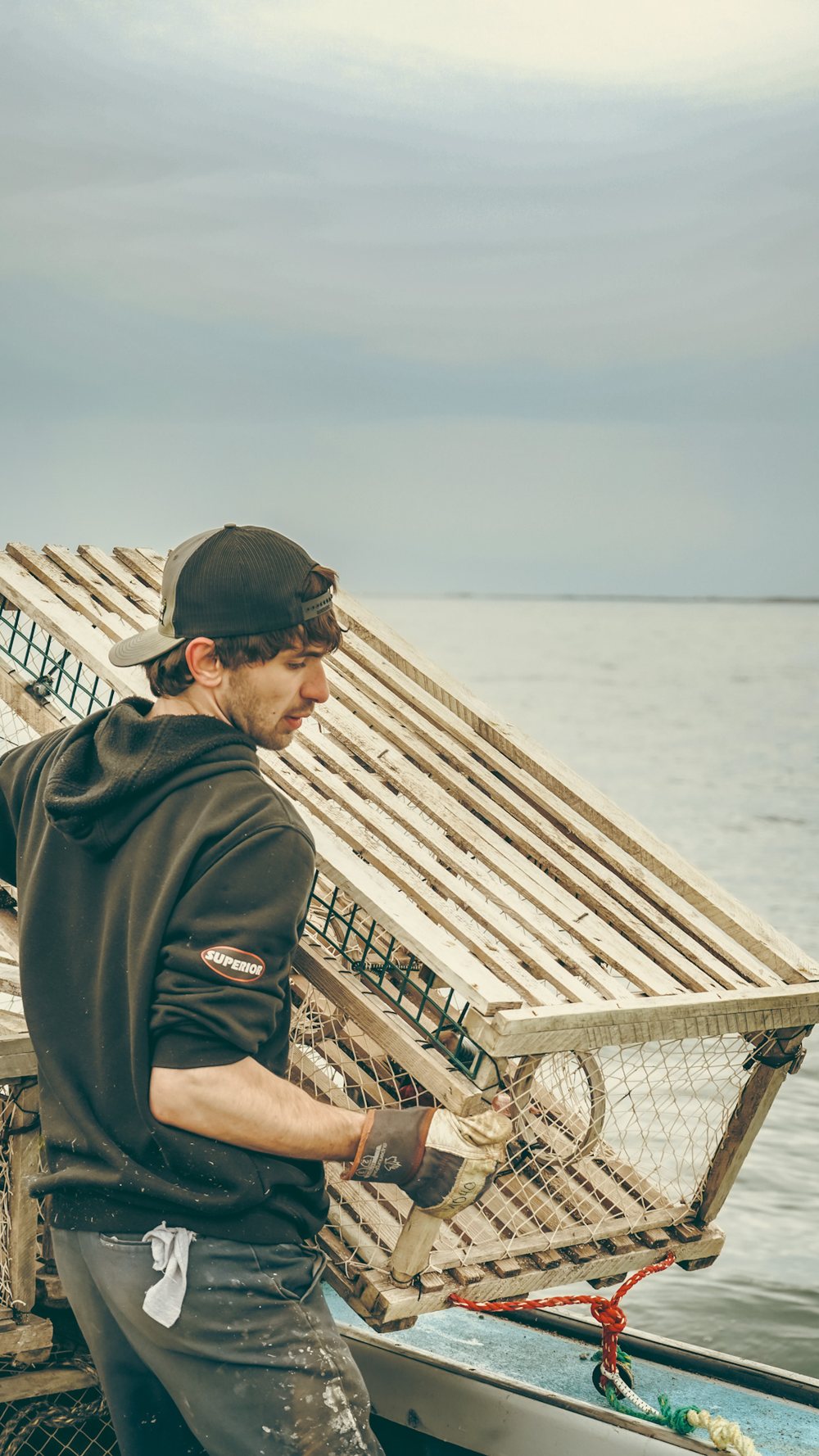
Caught with Care, Rooted in Culture: The Seaside Fresh Promise
Every lobster and halibut we bring to shore tells a story rooted in the Mi'kmaq heritage of Esgenoôpetitj (Burnt Church), on the shores of Miramichi Bay. It is a story of resilience, of a treaty right to fish affirmed, and of a deep commitment to the health of the ocean. We harvest with peace and purpose.
Our commitment to lobster conservation
Our promise of quality begins with respect for the resource. Our lobster fishery follows strict, science-based conservation rules to keep the stock healthy for future generations. We fish in Lobster Fishing Area (LFA) 23 only from late April to the end of June, which protects lobsters during their molting and reproductive periods.
About LFA 23: where we fish and why it matters
LFA 23 covers part of the southern Gulf of St. Lawrence, including our traditional waters, and is governed by strong conservation measures:
- Traps must have escape vents so juvenile lobsters can go free.
- Traps must have biodegradable panels, so a lost trap breaks down instead of continuing to catch lobsters.
- Egg-bearing females are always returned to the water.
- Some fishers also take part in the voluntary V-notch program, which marks and releases proven spawners.
- Electronic logbooks are required, so every catch is traceable.
A halibut success story you can taste
Atlantic halibut is a conservation success story. The Gulf of St. Lawrence halibut stock was rebuilt over decades through science-based management. Unlike lobster, halibut has a hard annual cap called a Total Allowable Catch (TAC).
Every halibut landed is weighed and verified at the dock by an independent third-party monitor, giving a full chain of custody. A minimum size of 85 cm gives young halibut the chance to mature and reproduce several times.
From our waters to your table
For us, fishing is a responsibility we owe to our ancestors, our community, and future generations. When you buy from Seaside Fresh, you support stewardship, reconciliation, and a sustainable future for both people and the ocean.